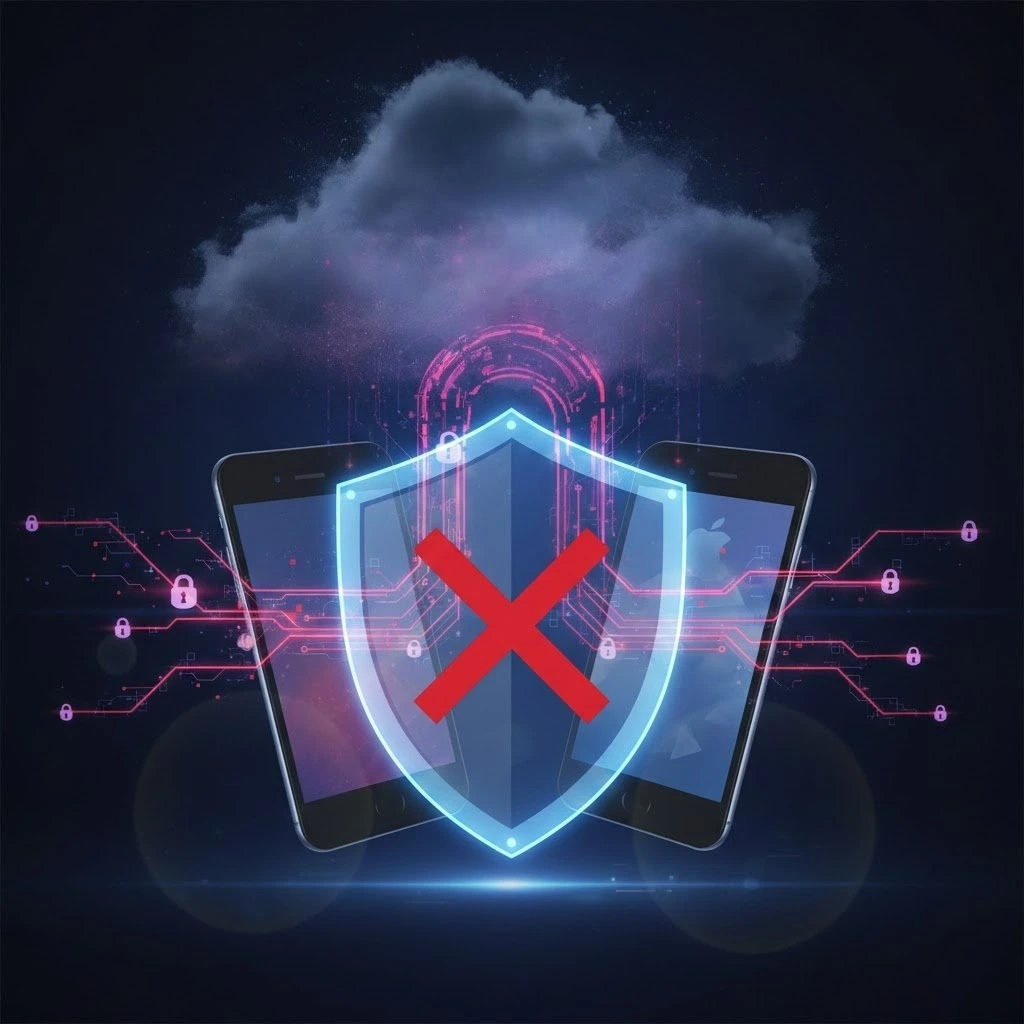
The world of cybersecurity has seen a fundamental shift, and traditional tools are being re-evaluated. In a landmark piece of guidance, the Cybersecurity and Infrastructure Security Agency (CISA)—the United States’ leading civilian cybersecurity organization—has issued a stark warning to mobile users: do not use a personal Virtual Private Network (VPN).
This is not a call to abandon data privacy, but rather a cautionary advisory against using commercial VPNs, particularly for highly sensitive or targeted individuals. CISA argues that these services, especially those aimed at consumers, frequently introduce new security vulnerabilities instead of mitigating existing ones.
The Core Risk: Increasing the Attack Surface
CISA’s primary objection is that personal VPNs merely relocate risk rather than eliminate it. While a VPN successfully shields your activity from your Internet Service Provider (ISP), it requires you to place full faith in the VPN provider itself.
According to the agency’s assessment, this shift can inadvertently increase your overall attack surface.
The three main reasons CISA advises against commercial VPN services are:
- Risk Transfer: You are shifting the residual trust risk from a regulated ISP to a potentially unvetted VPN provider.
- Questionable Practices: Many free and commercial VPNs have dubious security and privacy policies, often logging user data despite “no-log” claims or having weak infrastructure.
- Spyware Conduit: A fraudulent VPN app is an ideal “Trojan horse” for sophisticated threat actors, offering a perfect way to inject commercial spyware onto your device.
Advanced Spyware and the Target Audience
This specific advice is part of a broader alert addressing the proliferation of advanced commercial spyware. Nation-state actors and malicious groups are increasingly utilizing these sophisticated tools to breach mobile devices, leading to the compromise of private communications and the theft of customer records.
The official guidance is primarily directed at “highly targeted” individuals—such as senior government officials, political figures, and executives who possess sensitive information. However, the foundational advice on improving overall mobile device security is relevant to every smartphone user on Android and iPhone.
CISA’s Recommended Alternatives for Data Privacy
If personal VPNs are out, what are the secure alternatives for maintaining data privacy and robust security in 2025? CISA emphasizes moving toward solutions that are inherently more secure and phishing-resistant.
To truly secure your mobile communication and minimize interception risks, CISA strongly advises implementing the following practices:
1. Upgrade Authentication Standards
Move beyond traditional, vulnerable passwords and SMS-based multi-factor authentication (MFA).
- Adopt Phishing-Resistant MFA: Utilize physical hardware security keys (e.g., YubiKey) or modern software Passkeys that bypass phishing attempts entirely.
- Avoid SMS MFA: Text-message MFA is highly susceptible to SIM-swapping and porting scams.
2. Prioritize End-to-End Encryption
Always use applications and services that guarantee true end-to-end encryption for messaging.
- Encrypted Messaging: Utilize platforms like Signal, which offer strong default encryption protocols, assuming all communications between devices are at risk.
3. Secure Core Networking Functions
Enhance the protection of essential connection protocols.
- Encrypted DNS: Switch to using encrypted Domain Name System (DNS) lookups, such as those offered by Cloudflare or Google, to shield your browsing requests from man-in-the-middle attacks.
4. Maintain Device Health
Prompt software updates remain one of the most effective lines of defense against known exploits.
- Prompt Patching: Ensure operating systems (iOS and Android) and all installed applications are updated immediately when patches are released.
The Future of Consumer Security
The CISA warning underscores a critical maturity point in the cybersecurity industry: blanket tools that promise “security and privacy” are no substitute for layered, intentional security practices. For most users, choosing a reputable, third-party audited VPN (like those consistently ranking high in expert reviews) remains a vastly better solution than using no protection at all.
However, CISA’s guidance is a necessary reminder that the ultimate goal is not encryption itself, but the reduction of the trusted parties involved. Cybersecurity advice is evolving, and relying on older, untrustworthy VPN solutions is now considered a measurable liability rather than an advantage.
Disclaimer: If a VPN is required for secure corporate access (e.g., a Zero Trust Network Access solution), CISA’s guidance considers this a distinct and necessary use case.
Explore the Latest World of Technology.
Android
cross-device
file-explorer
phone-link
photos-tab
tech-news
windows-android
automation
bash-scripting
command-line
cron-jobs
file-permissions
linux-skills
terminal
vim
android-2026
android-security
apk-install
developer-verification
experienced-user
foss
google-play
open-source
sideloading
appimage